Blog & Insights

Analysis, commentary, and insights on the world of finance from a student's perspective.

Articles

Open Day at the Czech Ministry of Finance
Visit

Open Day at the Czech Ministry of Finance

How we walked through the Ministry of Finance building on Czech Statehood Day and even met the Minister of Finance.

September 2026 1 min read

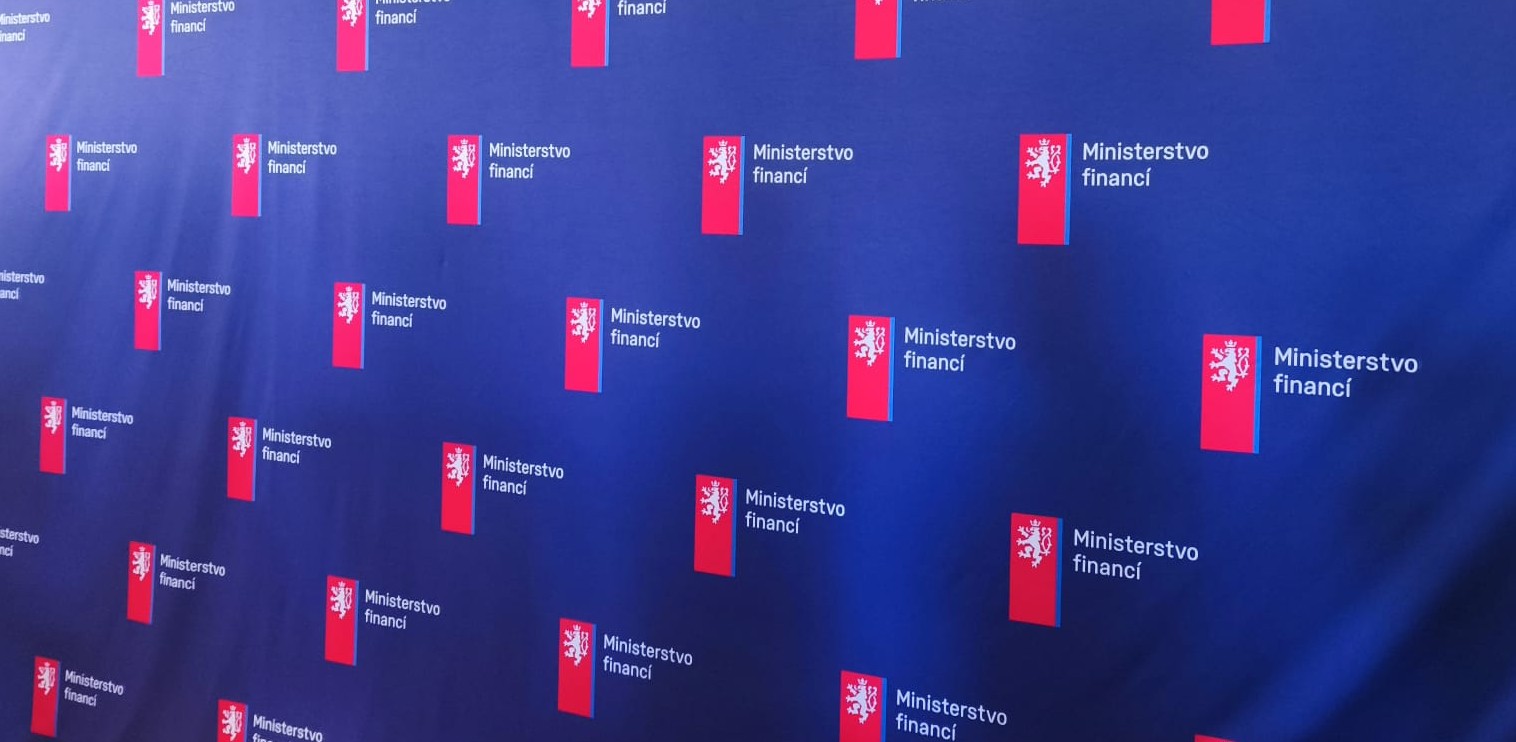
On Monday, September 28th, Czech Statehood Day, we visited the tenth anniversary open day of the Czech Ministry of Finance. We had to get up early on a day off, but the moment we walked into the building on Letenská Street at 9:30, we knew it was absolutely worth it.

The main program was guided tours, and we were lucky enough to get into the very first one. Our guide led us through the building of a former monastery, first of the Discalced Carmelites and later of the English Virgins. We saw both the 17th-century rooms where the nuns used to live and the parts of the building that are used for the day-to-day running of the ministry, which acquired the monastery in 1928.

An important part of the tour was demonstrations of the work of the administrative offices under the Ministry of Finance. These included the Financial Administration, joined by its Director General, Simona Hornochová. We also saw the State Treasury, whose name is misleading, because its main role is running key IT infrastructure and the Czech Republic's cybersecurity. Last but not least, we got to see the Financial Arbiter, the State Printing Works of Securities, and the Office for Government Representation in Property Affairs (ÚZSVM), which showed off curiosities seized by the police and customs administration.

The Minister of Finance herself, Alena Schillerová, was there too, having promoted the event on her social media for a long time. We had the honor of taking a photo with her and exchanging a few words - exactly the kind of moments that make an open day more than just a tour of a building. Accompanying events took place the same day: the Customs Administration in the nearby Vojanovy sady showed off its dogs and equipment, and a delegation from Ruzyně Airport made an appearance too.

To wrap up, I have to say that the tenth open day confirmed it belongs among the traditional celebrations of the state, and we hope that next year you'll make it to the Ministry of Finance too.

Jan Kořínek, vice-chairman of the club
Market Mood 2026 conference at Občanská plovárna
Conference

Market Mood 2026: Investing in a Broader Context

Takeaways from the conference at Občanská plovárna - why investing can't be judged by a single chart.

September 2026 3 min read

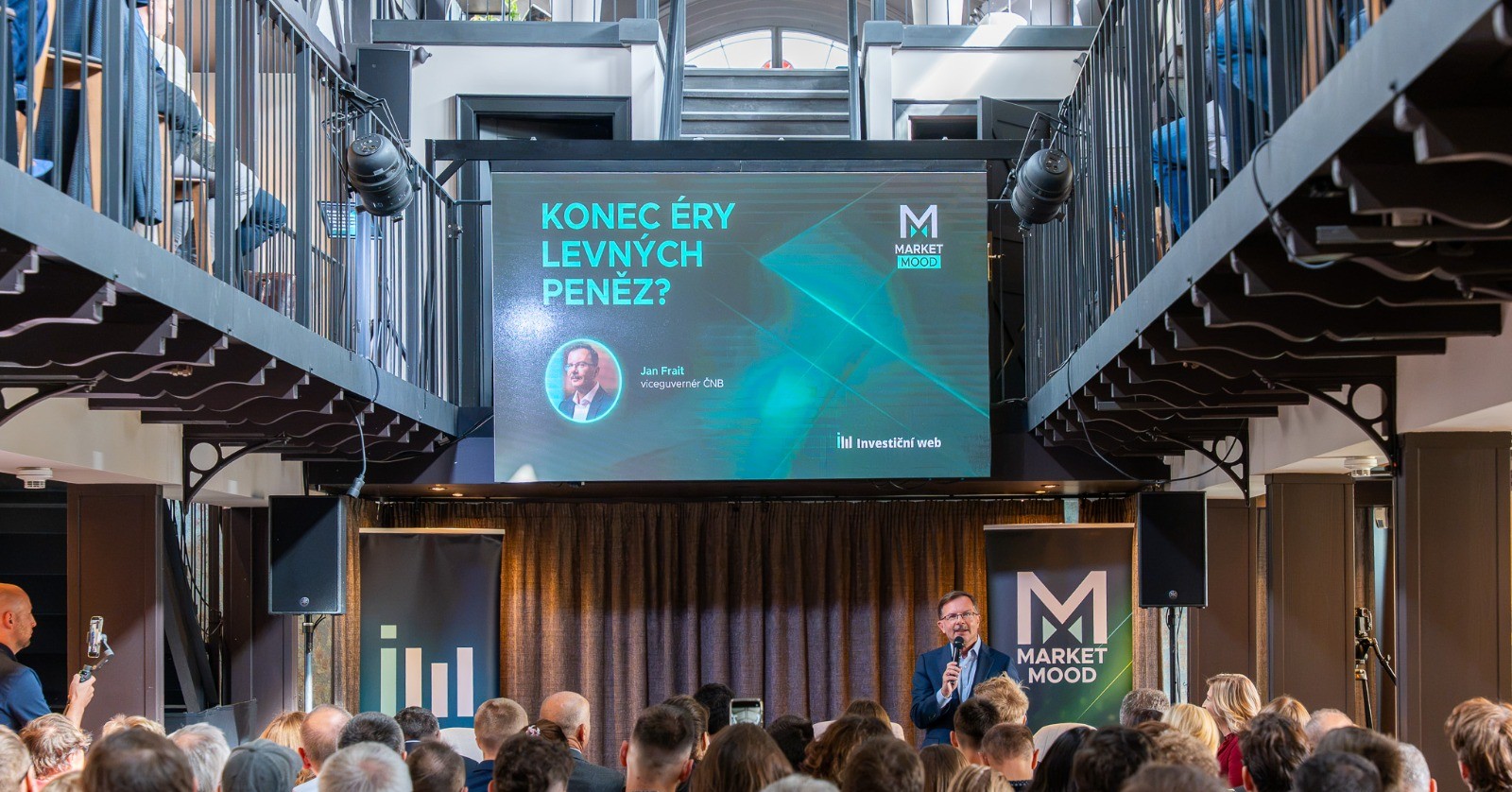
On Monday, September 21st, I had the chance to attend the Market Mood 2026 conference at Občanská plovárna in Prague. The program showed that investing isn't just about watching stock prices or following your favorite investment guru. Interest rates, geopolitics, energy, technology, and the development of the whole economy matter just as much.

The program featured several prominent names from the Czech financial scene. Speakers included Jan Frait, Vice-Governor of the Czech National Bank, XTB chief economist Pavel Peterka, and portfolio manager Michal Semotan, who recently joined PPF Group as a portfolio manager. One of the main blocks of the program was a debate on interest rates, geopolitics, and uncertainty in the global economy.

Interest rates are a topic that doesn't concern only banks or big investors. They affect, for example, the price of loans and mortgages, household decisions, and company costs. That's why it's useful to understand why central banks change rates or leave them unchanged.

The topics related to the USA and China were interesting too. It wasn't just about politics or trade between two superpowers, but also about technology, manufacturing, strategic raw materials, capital, and global financial flows. These things can affect companies around the world, and with them the markets investors follow.

The program also covered energy, tech stocks, real estate, cryptocurrencies, Czech startups, and long-term portfolios. The breadth of these topics was what I found most valuable. It shows that the economy isn't a collection of separate chapters. A change in energy prices can affect inflation, inflation affects central bank decisions, and interest rates in turn affect households, companies, and financial markets.

I'm not leaving the conference with a simple answer to where to invest. Rather, I realized how many questions are worth asking before someone starts making decisions on the financial markets.

Events like this are useful mainly because they let you hear different views on the same topics. For someone who is only starting to get interested in finance and economics, it's good motivation to keep reading, compare sources, and gradually form your own opinion. You can find more about the conference at marketmood.cz.

Special thanks to Jiří Tyleček, chief analyst at XTB, for the free ticket and the chance to attend Market Mood 2026.

Jakub Kouřil, chairman of the club

Summer School

I Went to LSEI, the Summer School of Economics and Investing

Four days in Radešín full of lectures on investing, a great group of people, and experiences I wouldn't have wanted to miss.

July 2026 2 min read

From July 16th to 19th, I went to LSEI, the Summer School of Economics and Investing, in Radešín. I went on my own, had no idea what to expect, and it ended up being one of the best experiences of the summer.

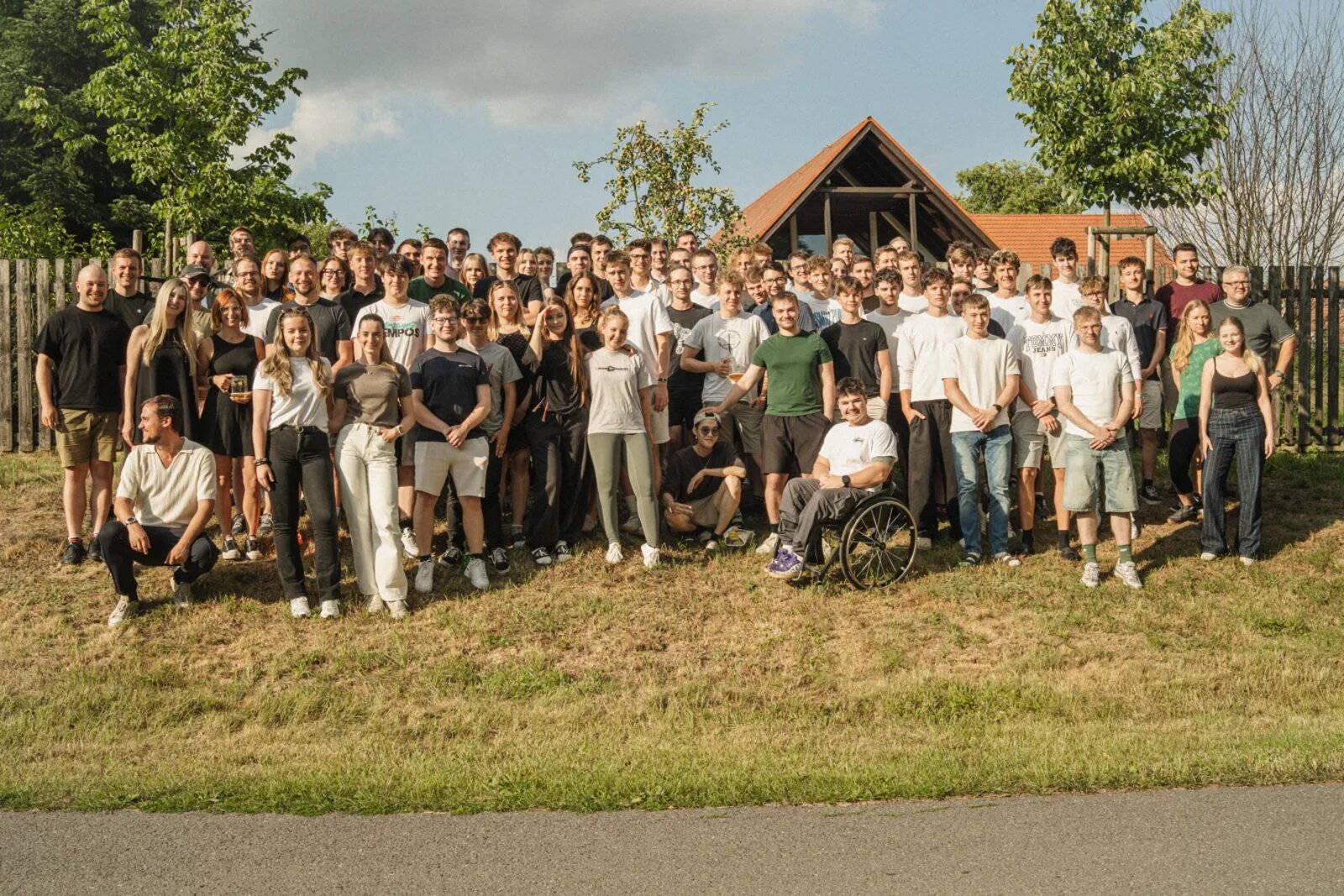
Group photo of LSEI 2026 participants in Radešín

What It Was All About

Over four days we had lectures and workshops on investing, economics, and finance. We covered what passive investing is, how to read a company's financial statements, central banking, bitcoin, trading, commodities, and a lot more. Speakers included people like Dominik Stroukal, Pavel Peterka, Jiří Tyleček, and Martin Komrska, and it was clear they knew what they were talking about.

A Great Community, Even Though I Was One of the Youngest

Most people there were quite a bit older than me - a lot of university students and people already investing for real. Everyone welcomed me in completely naturally, and I never felt like the odd one out for being one of the youngest. Over those four days a real group formed that I clicked with, and I think a lot of the connections I made at LSEI will last a long time.

Highly Recommend

If someone asked me whether I'd go again next year, the answer is clear - I'm going. I can only recommend LSEI to anyone interested in investing or economics who isn't put off by potentially being one of the younger people there. You'll learn more there than in a year of school, plus you'll meet a lot of great people.

If you'd like to go next year too, you can check out the LSEI website: https://www.lsei.cz/

Jakub Kouřil, chairman of the club

Club

Our First Meeting: How Opatov Finance Club Got Started

A look back at our founding meeting - what we talked about, and why we started the club in the first place.

June 2026 2 min read

In June 2026, Honza and I held the very first meeting of Opatov Finance, which was also the founding meeting of the whole club. We met up at the gymnázium, presented a slideshow called "Time Is Your Capital," and talked through why we were starting the club and what we hoped to get out of it.

Why Starting Early Matters

The main idea behind the whole intro was simple: someone who starts investing at 16 has ten more years for their money to grow compared to someone who starts at 26. Ten years' head start sounds like a small detail at first, but the numbers tell a very different story.

Compound Interest in Practice

We showed it with a concrete example: investing 1,000 CZK a month at an average annual return of 7%, up to age 65, starting at 16 comes out to roughly 5.1 million CZK, while starting at 26 comes out to about 2.4 million CZK. Same monthly amount, ten years later, and at the end a more than twofold difference. That's exactly the power of compound interest everyone talks about but few people actually see laid out this clearly.

The Three Pillars of Our Program

We spent the rest of the meeting talking through how the club will actually work. The program rests on three pillars:

  • Market analysis: we'll regularly discuss what's currently happening in the markets.
  • Education: instead of classic lectures, we want workshops and simulations where we actually try investing hands-on.
  • Guest speakers: we'll invite people who invest for real, or who have other experience with finance, to share their genuine experience with us.

What's Next

At the meeting we also confirmed how the club will run going forward - we'll meet once a month. Right now we're focused on recruiting new members, running from May through September 2026, with the goal of reaching 15+ active members before our first guest speaker arrives in the fall.

If you're into finance, investing, or economics and want to join, check out our registration - we meet once a month and new members are always welcome.


Want to Write for the Club?

Got an analysis or article to share? We'd love to publish it under your name. Great for your portfolio and LinkedIn too.

Get in Touch